

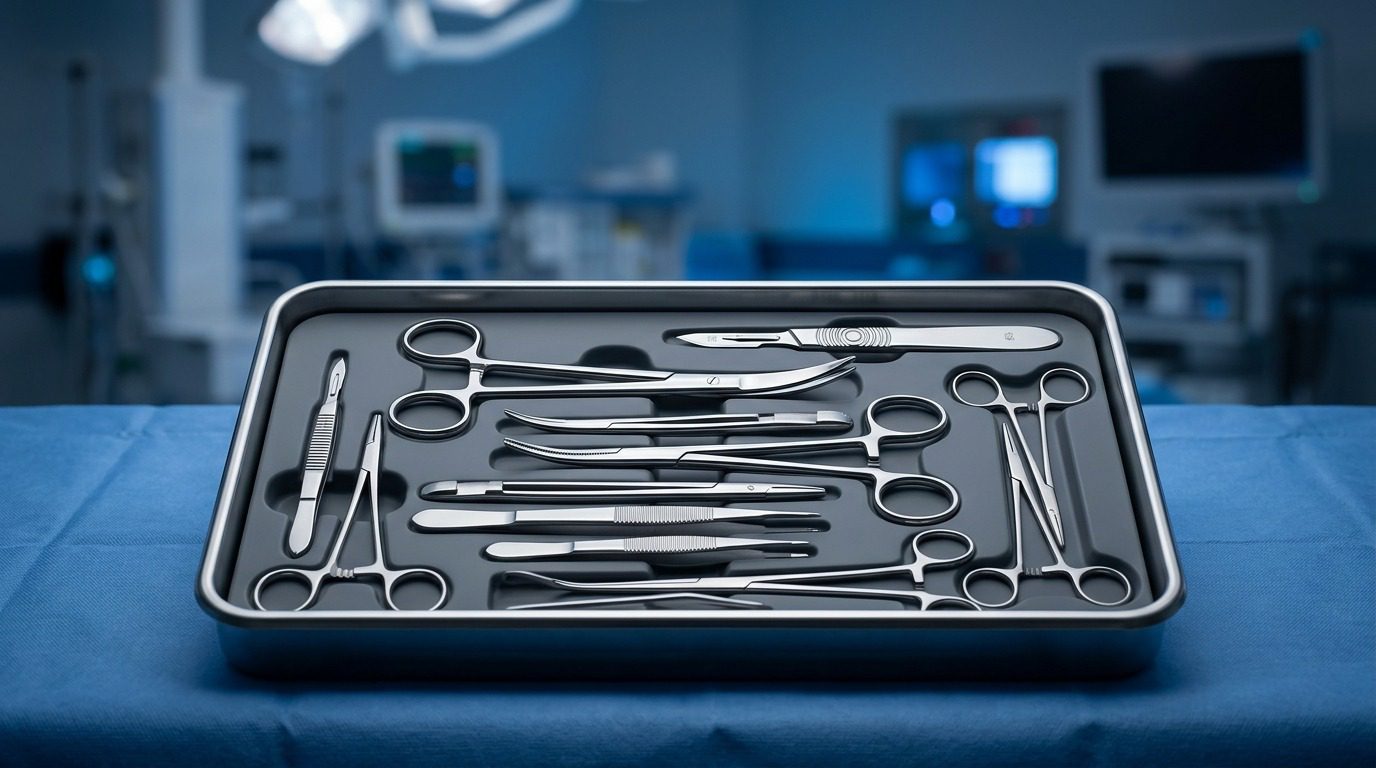
In the high-stakes environment of the modern operating theater, the margin for error is non-existent. For hospital procurement managers, surgical coordinators, and international medical device distributors, sourcing surgical instruments is not merely a transactional purchasing decision—it is a critical choice that directly impacts patient outcomes, surgeon satisfaction, and long-term institutional costs.
As a global hub for medical device production, the market is flooded with options. However, separating premium, reliable instruments from substandard alternatives requires a deep understanding of metallurgy, manufacturing precision, and international regulatory standards. This comprehensive guide outlines the vital factors procurement professionals must evaluate when partnering with a surgical instruments manufacturer for high-volume wholesale sourcing.
1. The Metallurgy of Precision: Why Steel Grade Matters
The foundation of any exceptional surgical tool lies in the alloy from which it is forged. A common misconception among buyers is that all “stainless steel” is created equal. In reality, premium surgical instruments require highly specific variations of steel to balance two competing properties: corrosion resistance and edge retention.
Martensitic Steel (AISI 400 Series)
For cutting instruments such as Metzenbaum scissors, Mayo scissors, and chisels, manufacturers utilize Martensitic steel. This alloy contains a higher carbon content, allowing it to undergo thermal hardening processes. The result is an incredibly dense, hard structure that can be honed to a razor-sharp edge and maintain that sharpness through hundreds of surgical procedures and autoclave sterilization cycles.
Austenitic Steel (AISI 300 Series)
Conversely, instruments that require superior flexibility, structural tensile strength, and absolute resistance to aggressive chemical cleaning agents—such as retractors, speculums, and suction tubes—are often manufactured using Austenitic steel, particularly AISI 316L (often referred to as German medical-grade stainless steel). This grade features high nickel and molybdenum content, rendering it virtually immune to pitting and rusting in clinical environments.
2. The Manufacturing Standard: The 12-Point Inspection
When evaluating a wholesale surgical tools provider, a physical inspection of their manufacturing workflows is telling. Top-tier manufacturers combine advanced CNC (Computer Numerical Control) machining with traditional hand-craftsmanship. Every instrument must pass through a strict multi-point quality protocol before it is cleared for international export.
Forging and Die Stamping: Ensuring the raw steel grain structure flows uniformly along the contours of the instrument shape, preventing micro-fractures under tension.
Milling and Serration Alignment: For forceps and clamps, the interlocking teeth or horizontal serrations must align with micron-level tolerances. Misaligned jaws cause tissue slippage and vascular trauma during clamping.
Heat Treatment: This critical phase stabilizes the molecular matrix of the steel. Improper tempering leads to brittle instruments that can snap mid-procedure.
Passivation and Electro-Polishing: Passivation is a chemical process that removes free iron from the surface of the instrument, forming a protective chromium-oxide layer. This invisible shield prevents chemical corrosion, rusting, and pitting during autoclaving.
3. Ergonomics and Surface Finishes in the OR
Surgeons spend hours under intense, hot operating room lights. The tactile feel and visual finish of an instrument play a massive role in reducing hand fatigue and visual stress.
Mirror vs. Satin Finishes
While a traditional mirror-polished finish looks pristine and offers excellent protection against stain adherence, it can create highly distracting glare under overhead surgical lamps. For this reason, many international hospitals prefer a satin or matte finish. Satin finishes are achieved via micro-bead blasting, which dulls the surface reflectivity while maintaining the integrity of the passivated steel layer.
Tungsten Carbide (TC) Integration
Premium needle holders and heavy scissors often feature gold-plated ring handles. This industry-standard color coding signifies that the instrument’s working tips are reinforced with Tungsten Carbide inserts.
Why Tungsten Carbide? Tungsten Carbide is twice as hard as standard surgical steel. When bonded to the jaws of a needle holder, it creates a non-slip, pyramid-shaped grip pattern that prevents suture needles from twisting, while extending the operational life of the tool up to five times.
4. International Regulatory Compliance and Traceability
A beautiful instrument is functionally useless if it cannot clear customs or meet the strict compliance audits of global healthcare ministries. Sourcing from a factory that possesses verified international certifications is non-negotiable for distributors.
ISO 9001 and ISO 13485
An ISO 9001 certification verifies that a facility operates under a standardized quality management system. However, for medical devices, look specifically for ISO 13485. This specific standard proves that the factory meets rigorous requirements throughout the design, production, and distribution tracking phases of medical equipment.
Laser-Etched Traceability
Every single operating room tool must feature clean, permanent laser markings indicating:
The manufacturer’s registered brand name or logo.
The product catalog code.
The CE marking or relevant regulatory identification.
The batch or lot number for complete traceability in the rare event of a product recall.
5. The Strategic Advantage of Sialkot, Pakistan Sourcing
For over a century, Sialkot, Pakistan has served as the undisputed global capital of surgical instrument manufacturing, supplying up to 80% of the world’s handheld surgical tools. Sourcing directly from an established Sialkot industrial zone facility offers distributors an unparalleled competitive edge.
By combining generational artisanal blacksmithing expertise with modern robotic milling technologies, Sialkot manufacturers deliver premium German-grade quality at a fraction of European production costs. This economic efficiency allows international distributors to maintain healthy profit margins while offering hospitals highly competitive procurement pricing without compromising structural reliability.
Conclusion: Securing Your Healthcare Supply Chain
Selecting a surgical instruments manufacturer is a balancing act between cost efficiency and uncompromising quality. By prioritizing factories that utilize verified AISI steel grades, maintain strict ISO 13485 certifications, and practice flawless passivation techniques, distributors can confidently secure high-demand contracts with hospitals worldwide.
Investing in top-tier manufacturing partnerships safeguards your brand’s clinical reputation, minimizes costly hospital product returns, and—most importantly—ensures that when a surgeon reaches for an instrument in a critical moment, it performs with absolute perfection.